
Responsibly Made
Choose materials and production methods that reduce environmental impact, including recycled materials. Check each item’s information for the details.
Sustainability
Wear it proudly. Care for it well. Here’s how we think about the gear that carries our crest.
Our commitment
When we choose club gear, we look at how it’s made, how long you can wear it, and what happens when it’s worn out.
We work alongside Ann Arbor’s A2ZERO initiative, which aims for community-wide carbon neutrality by 2030. Our hangtags explain those choices and help you care for your gear.
Our sustainability system
Three ways to choose better gear.
Choose materials and production methods that reduce environmental impact, including recycled materials. Check each item’s information for the details.

Gear chosen to last. Wear it for seasons, care for it, repair it when practical, and pass it on when someone else can keep it in use.

Give gear another use when you can. When it’s worn out, look for a textile collection or recycling service that accepts it.
These are the choices we look for when selecting gear. Each product’s hangtag and description explain which parts apply. Check those details, since every item is different and the framework does not certify every product.
Product story
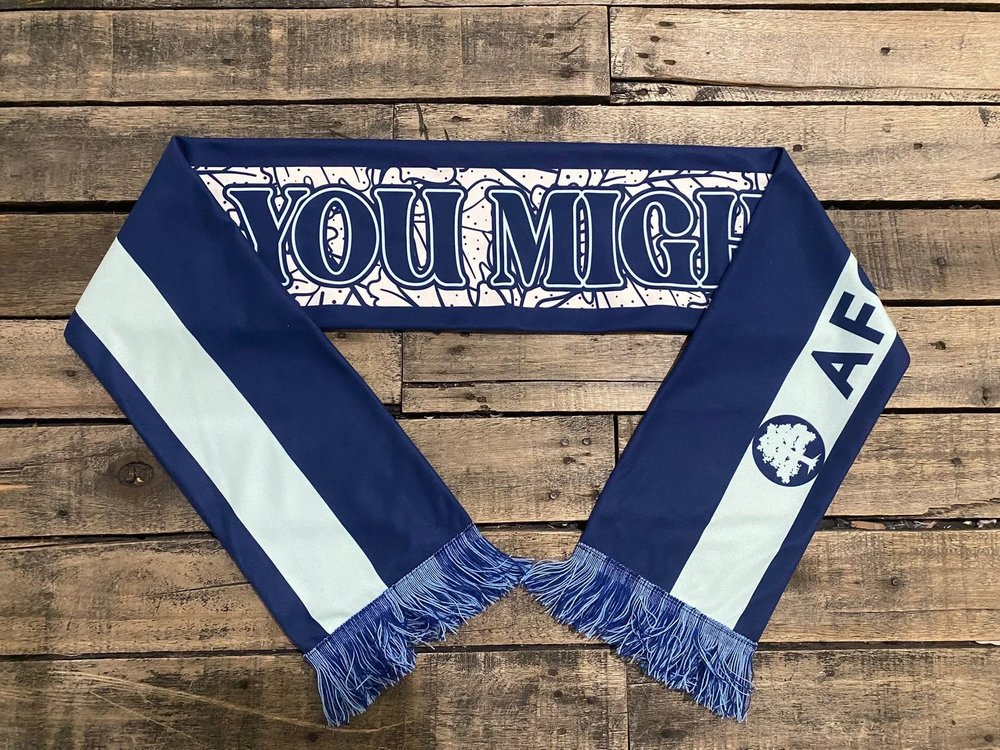
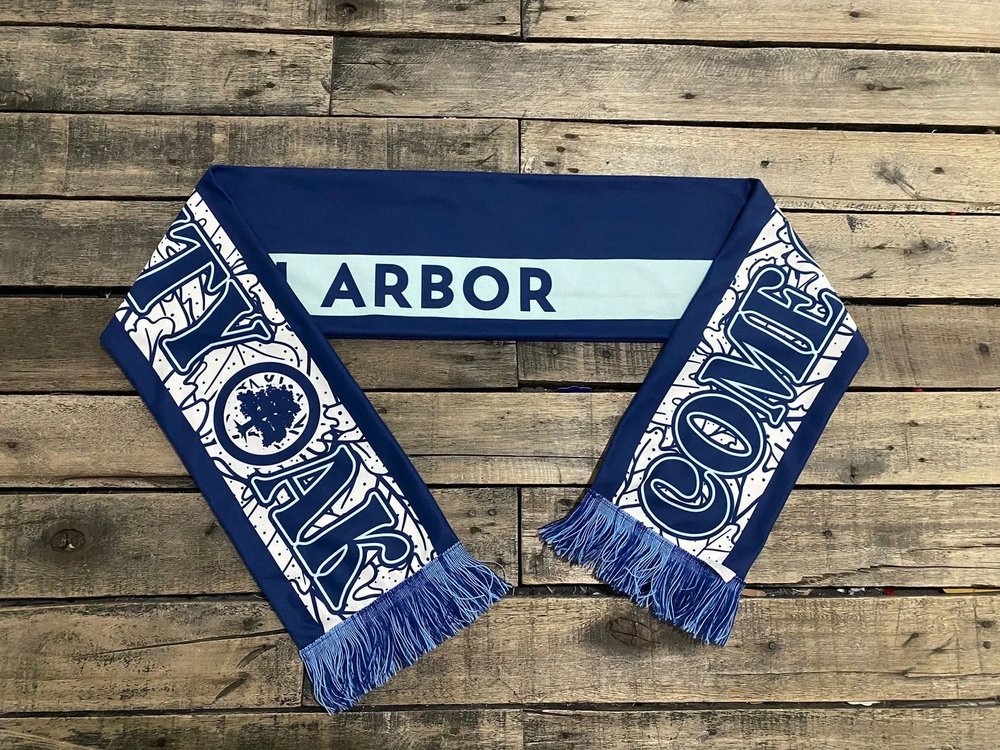
The club’s scarf shows how the framework can guide a product: 100% recycled polyester, durable supporter gear, and consideration for reuse or recovery at the end of its life.
Keep it in circulation by wearing it, caring for it according to its label, or passing it to another supporter. Even recyclable materials may not be accepted by your local program. Check with the collection service before dropping gear off.
Care & next steps
Use the hangtag, product information, and sewn-in care label to understand materials and care. QR links can bring you back to this page for the club’s approach.
Follow the item’s care instructions. Repair when you can, and look for someone who can reuse wearable gear before considering disposal.
Confirm what a textile collection or recycling service accepts. A recyclable fiber doesn’t always mean the whole garment can be recycled.
Community partner
A2ZERO connects our community’s work on sustainability with the city’s 2030 carbon-neutrality goal.
Stay connected